
Amsterdam's Plan to Ban Tourists from Coffee Shops

After more than six decades of freedom and tolerance, is Amsterdam about to close its famous coffee shops to tourists? Amid rapid gentrification and a determined fight against mass tourism, mayor Femke Halsema has put the "residence criterion" back in the spotlight. It would be a historic turning point that could change the face of Europe's most liberal capital for good.
The end of an era: 65 years of tolerance in Amsterdam
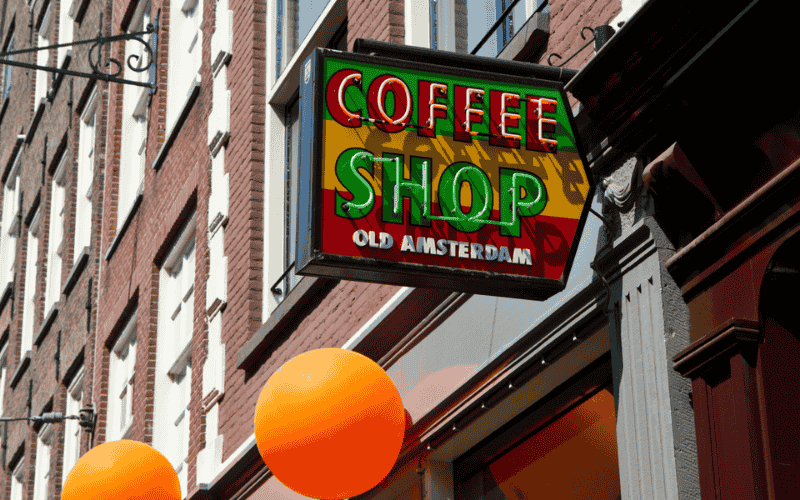
Since the 1970s, Amsterdam has been world-famous for its gedoogbeleid (tolerance policy). This unique approach allows small amounts of cannabis to be sold in regulated venues, the famous coffee shops, even though production technically remains illegal. For decades, this model made the city a beacon of personal freedom in Europe.
However, what was once a sign of open-mindedness is now seen by part of the city council as a burden. With more than 20 million visitors a year, Amsterdam is struggling under the weight of mass tourism, and cannabis tourism is singled out as one of the main causes of nuisance in the historic centre (De Wallen, the Red Light District).
Femke Halsema's vision: gentrification vs cannabis tourism
Amsterdam's green mayor, Femke Halsema, is leading a head-on battle to change her city's image. Her aim is clear: to reduce the number of "nuisance" tourists in favour of wealthier, culture-focused visitors. This lies at the heart of the gentrification process currently affecting the Dutch capital.
According to the city, many foreign tourists come to Amsterdam only to use cannabis, which is also said to attract crime linked to hard drugs and street dealing. By restricting access to coffee shops, Halsema hopes to make the city less attractive to this type of visitor and give the city centre back to local residents.
The I-criterion: how would the ban work?
The legal tool in question is the I-criterium (residence criterion). This rule would allow the authorities to require that only residents of the Netherlands may enter and buy in coffee shops. The system is already in place in several cities in the south of the country, such as Maastricht, where it was introduced to curb cross-border drug tourism.
If Amsterdam adopts the measure, every customer would have to show proof of residence (BRP registration) and Dutch ID at the door. For the millions of tourists who visit the city every year, it would mean the end of legal access to cannabis.
The risks: black market and loss of identity
The plan is far from unanimous. Coffee shop owners, organised in trade associations, warn of disastrous consequences. The main risk? A boom in the black market. If tourists can no longer buy safely and under control in shops, they will inevitably turn to street dealers.
Many observers also point out that this policy runs counter to the liberal spirit that made Amsterdam famous worldwide. Gentrification risks turning the city into an open-air museum for the wealthy, stripped of the rebellious, tolerant soul that has defined it for more than half a century.
FAQ
Can tourists still go into coffee shops today?
Yes. At present, adult tourists can still freely visit Amsterdam's coffee shops. The proposed ban is still being debated and voted on politically.
When could the ban come into force?
Debates are ongoing, but strict enforcement could arrive by 2025 or 2026, depending on the outcome of upcoming local elections.
Does the ban affect CBD?
No. CBD (cannabidiol) is legal and does not fall under the same rules as the THC-rich cannabis sold in coffee shops. You can keep buying CBD flowers and oils freely.
Read next
 Cannabis newsMocro Maffia: Fiction vs Reality in Amsterdam's UnderworldDoes the hit series Mocro Maffia reflect the reality of organised crime in Amsterdam? Mila de Vries looks at its phenomenal success.15 October 2026
 Cannabis newsTyson 2.0 Amsterdam: Mike Tyson's Coffee Shop (Complete Guide)Discover the Tyson 2.0 coffee shop in Amsterdam. Mike Tyson brings his legendary brand to the Netherlands. Menu, atmosphere and our verdict on this must-visit spot.15 October 2026
 Cannabis newsSnoop Dogg Coffee Shop AmsterdamThe West Coast icon has finally landed in the capital of cannabis culture: S.W.E.D., Snoop Dogg's first European coffee shop, brings California genetics to Amsterdam's Marnixstraat.15 October 2026